

The data-driven fallacy
Leer la versión en Español It is often assumed that making decisions based on data — in other words, being “data driven” — leads to more objective decisions, and therefore better ones. But that belief rests on three flawed assumptions: numbers are objective what is ...

AI strategy map
Leer la versión en Español aquí With the boom of artificial intelligence that we are experiencing (and suffering), in most companies there is a mandate to “start using AI.” Nobody really knows how or for what, but it must be used. And so, there is ...

Design: cost, expense or investment?
(Leer en Español) In an organization, design can be seen as a cost, an expense, or an investment. How design is perceived directly impacts its influence, priority in resource allocation, and participation in strategy. Being considered an investment—one that generates competitive advantages and contributes to a ...

The most critical and least validated product risk
(Leer en Español) When we develop a product or feature, it is important to consider the risks involved so we avoid investing time and resources in something that, at best, will need to be redone, or at worst, may not succeed. On this topic, Marty ...

The paradox of users
(Leer en Español)Users and product growthWhen analyzing product growth, we can identify distinct phases, each characterized by its own pace and dynamics of expansion.The way to monitor this growth is by tracking the number of new users, the number of users lost (churn), and the number ...

How to Measure the ROI of UX: challenges and alternatives
(Leer en Español)A while ago I wrote about the ROI de UX. While that article was more "philosophical" in nature, I will take on a more practical approach here.But before discussing the ROI of UX, it’s important to remember what we all know but Alan Cooper ...

Measuring vs. Understanding
(Leer en Español) During my design metrics class we were discussing the difference between output and outcome metrics when someone asked "the reason people drop off in the funnel, is an outcome or an output metric?". I was initially confused by this question, but then I ...
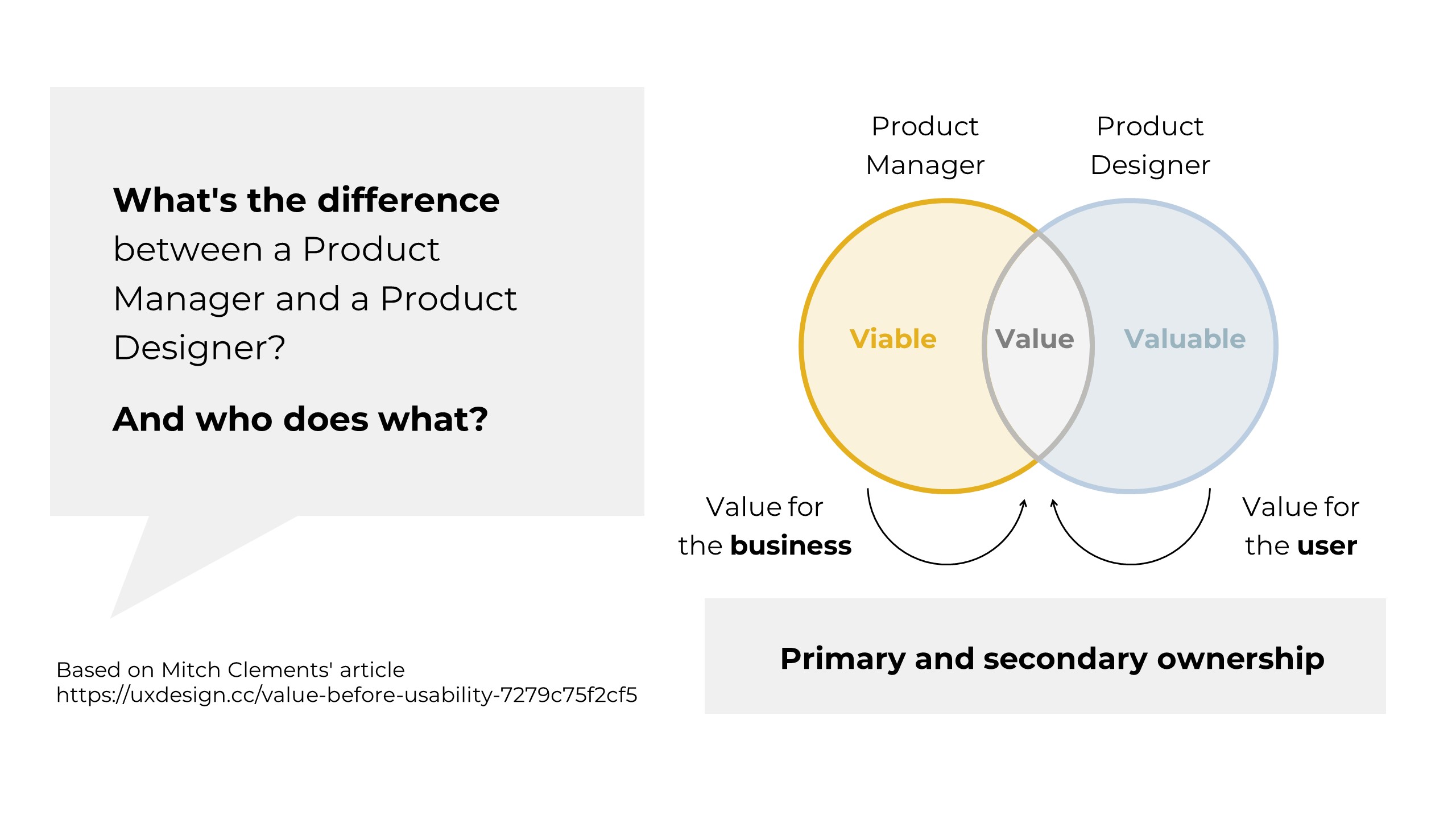
Product Design and Product Designer: demistifying buzzwords
(Leer en español) Product Design and Product Designer are two trendy terms that are often used without a clear understanding of their meaning. The main problem with both is that because they include the word "design," they are often associated with aesthetic aspects, leading to many ...

What is a product?
(Leer en español) Product is a ubiquitous word: we talk about improving or designing a product, and there are also many roles focused on the product: product managers, product designers, product owners. But... what is a product? It is important to define what a product ...
Sample blog post V2
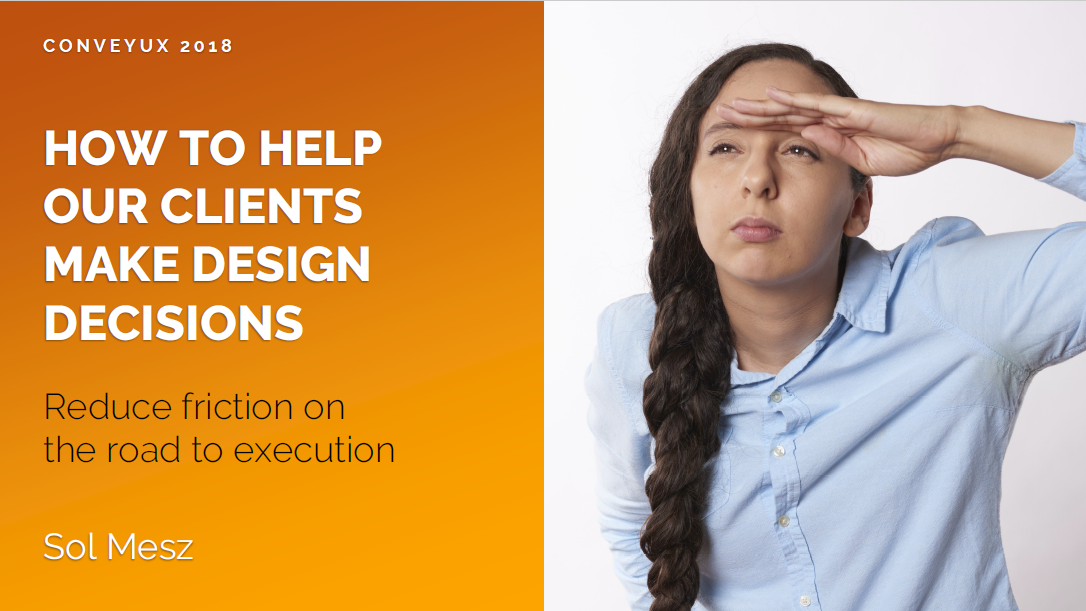
Like it or not, Clients are always part of the design process. But design decisions fall outside of the typical decisions they make. That's why they make design decisions based on aesthetics, the competition, what their spouse thinks, or other non-design criteria. But ultimately, Design ...

Cómo ayudar a los clientes a tomar decisiones de diseño
Como Diseñadores, nuestra tarea principal es tomar decisiones de diseño. Pero a veces tenemos un desafío adicional, que es hacer que el cliente acompañe estas decisiones. Lo que pasa es que en muchos casos, el diseño no es el área de expertise de nuestros clientes. ...
How to identify relevant metrics with the “Questions first” approach
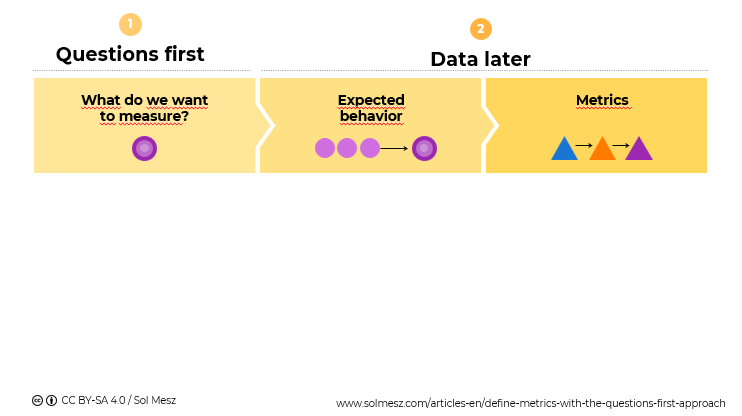
Leer este post en Español A common mistake when trying to identify the relevant metrics to assess the performance of a product or a design is starting by asking “Which metrics should we use?” That is, starting with metrics. When we approach measurement in a ...
